Amir Orouji
8:29 - 9:10

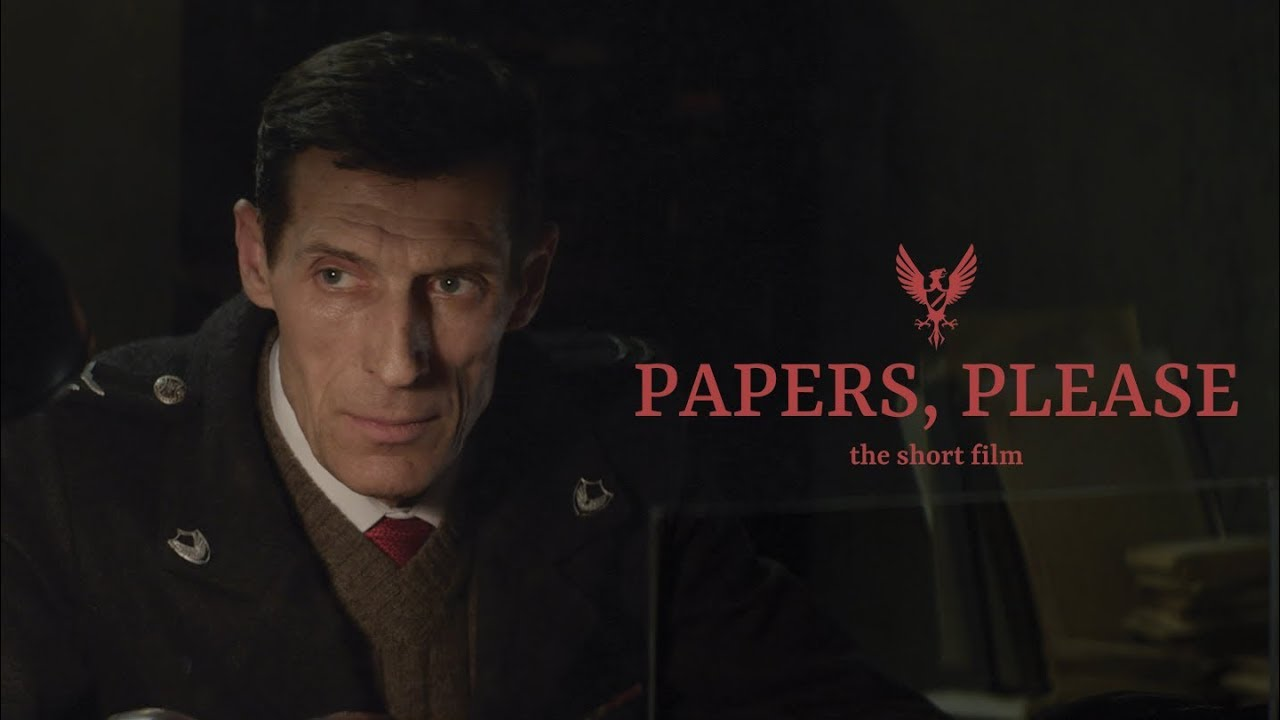
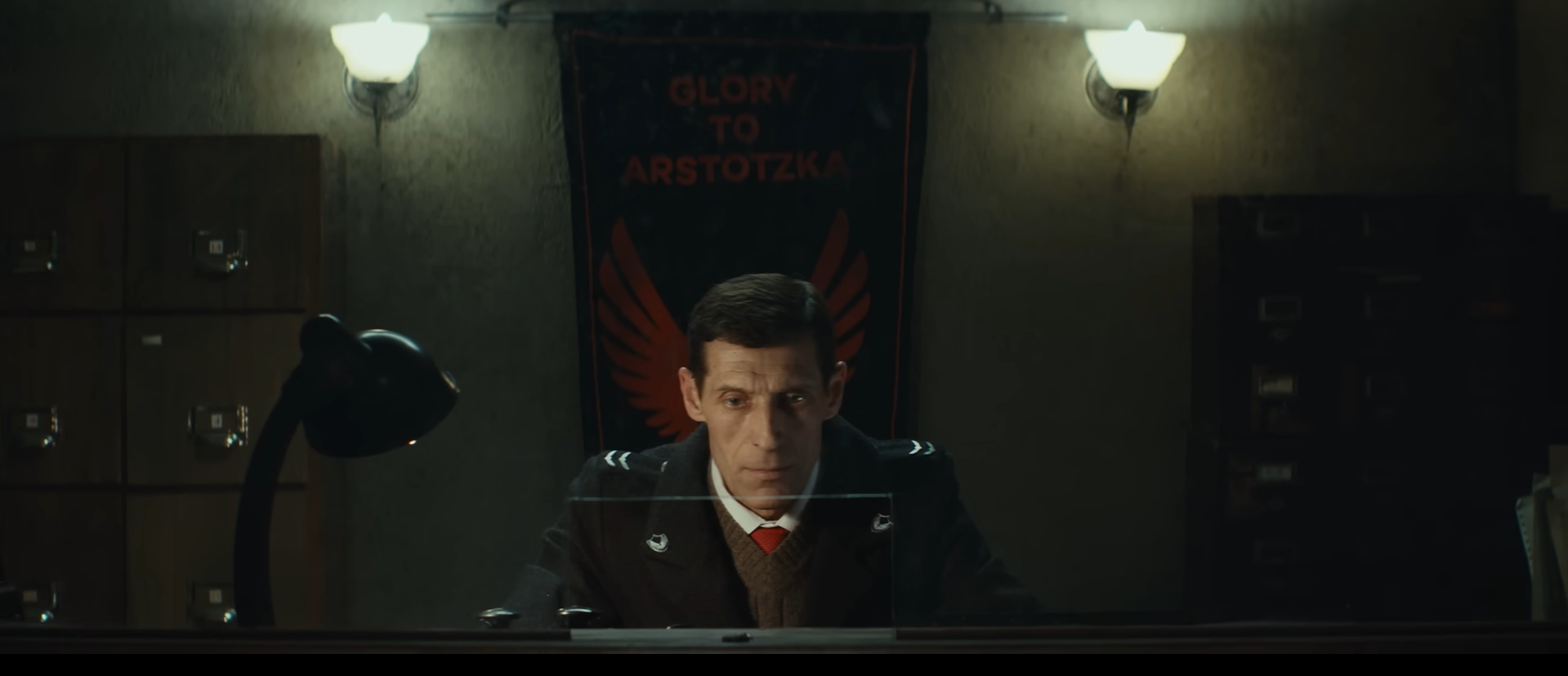
This project is a re-creation of the PAPERS, PLEASE - The Short Film by Nikita Ordynskiy, which in itself is an adaptation of the game PAPERS, PLEASE in movie form. This story takes the audience through a day of work of the border Inspector between East Grestin, Arstotzka, and Kolechia, who is tasked with letting in, or sending back, the people who are trying to cross it.
The aim of this project was to create a spatial audio-only experience, where the group decided to make an adaptation of this short film.
The original work is a fantastic piece of visual media. I highly recommend giving it a watch. The game that inspired this short film is also a fantastic experience.
PAPERS, PLEASE is a very visual story. The cinematography, the way the camera zooms and pans through the different paper documents, the pauses between the dialogue and the visual cues of uncertainty all play a major role in the storytelling. So, how could this work be translated into a audio only project? We had the challenge of translating all the subtle messaging the image was transmitting into audio-only.
The first change was the viewpoint of the audience. Instead of using the Inspector as the eyes of the viewer, we opted to make the Officer a permanent character, making him the ears of the listener.
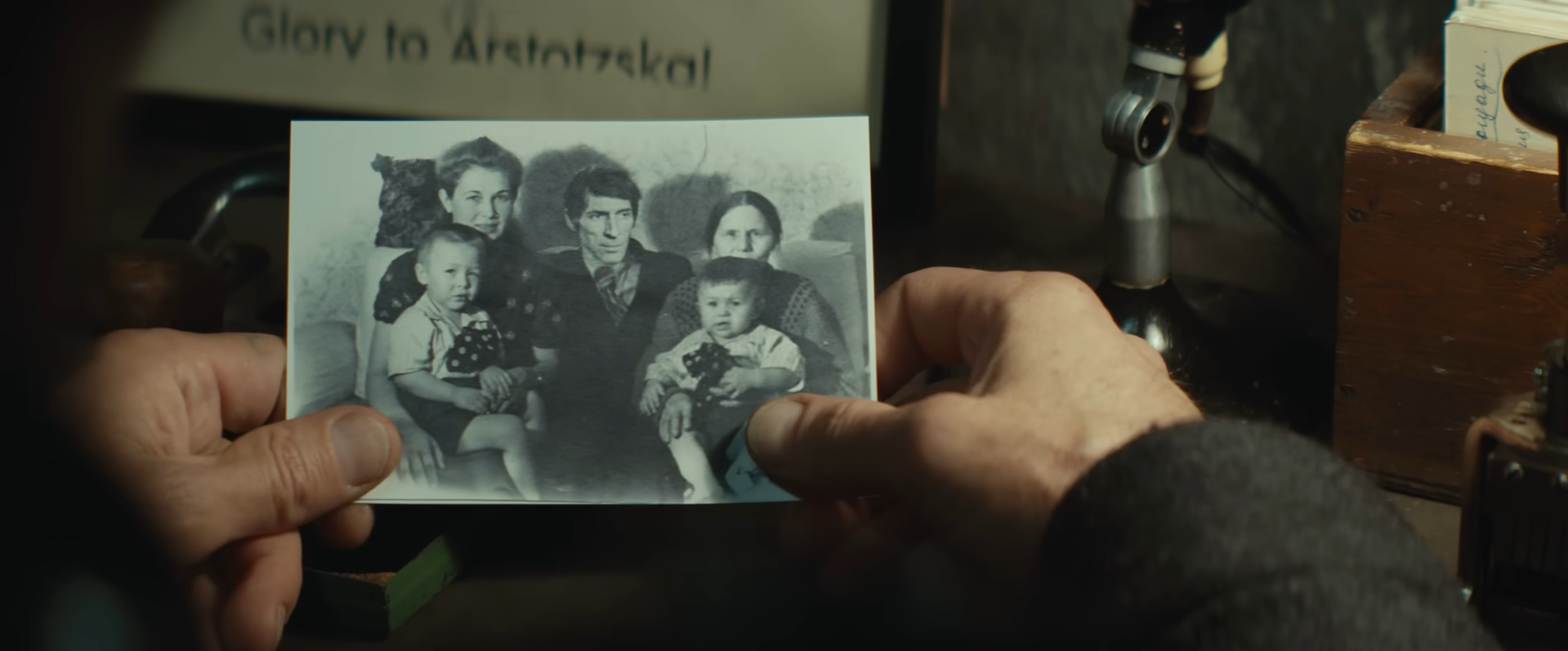
This also allowed us to have dialogue between the Inspector and the Officer, which would allow us to have exposition of certain details, without having inner dialogue. This solved the problem of the visual-only parts of the story, like the Inspector looking at the family photo.
It took away some of the subtlety of the storytelling, but it was a necessary change to maintain plot cohesion.
While the short film has an intro sequence where the exposition is typed out on screen, we turned that into a narration sequence, where the listener is thrown into the shoes of the Officer who is walking to the border patrol, while taking in the backstory of what's to come next.
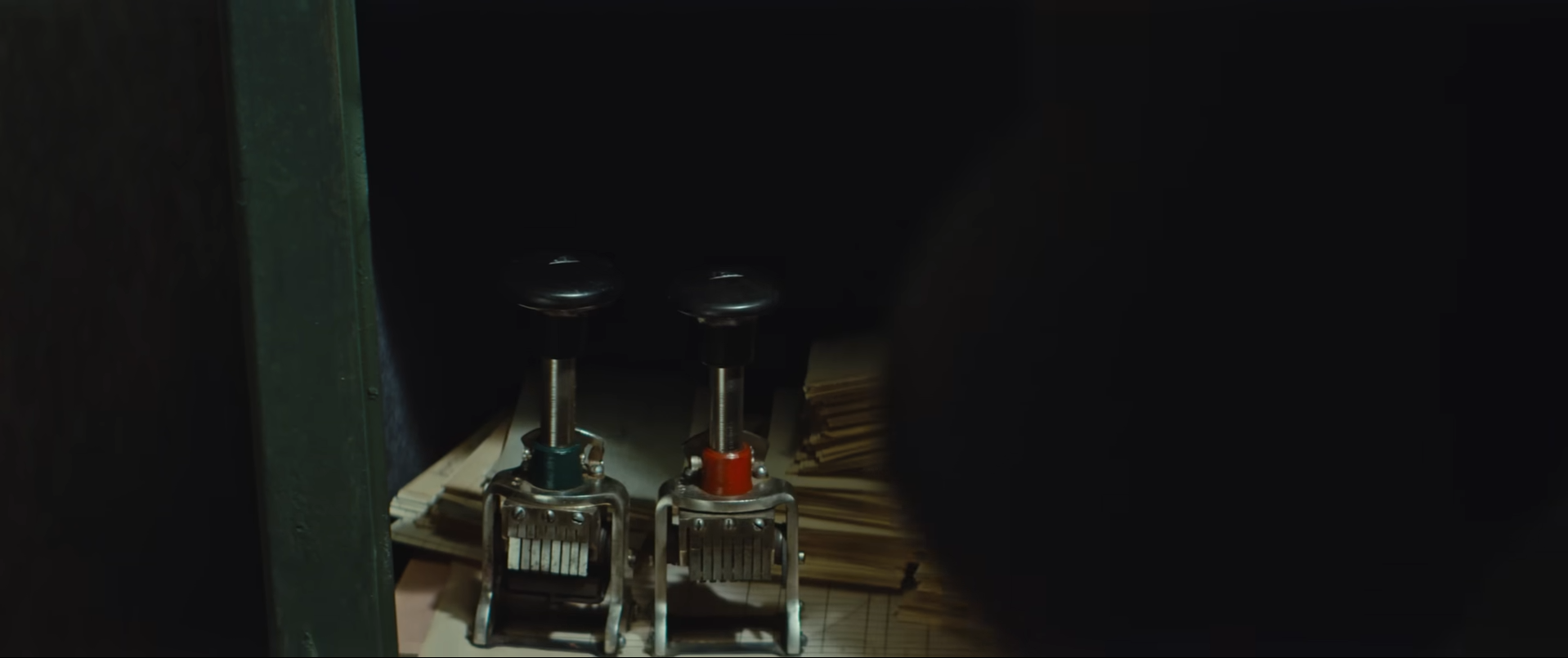
In order for the listener to distinguish the accepted and the denied stamp, I came up with the idea of using a reverb modifier when the person was denied entrance. Adding dramatic effect and weight to the consequence of the action.
To convey the indecisiveness of the Inspector during some crucial decisions, I made use of chair creaks, giving off the idea of restlessness and conflict within the Inspector's mind. Longer pauses and waiting before the decision of pressing the stamp down also helped with the effect.
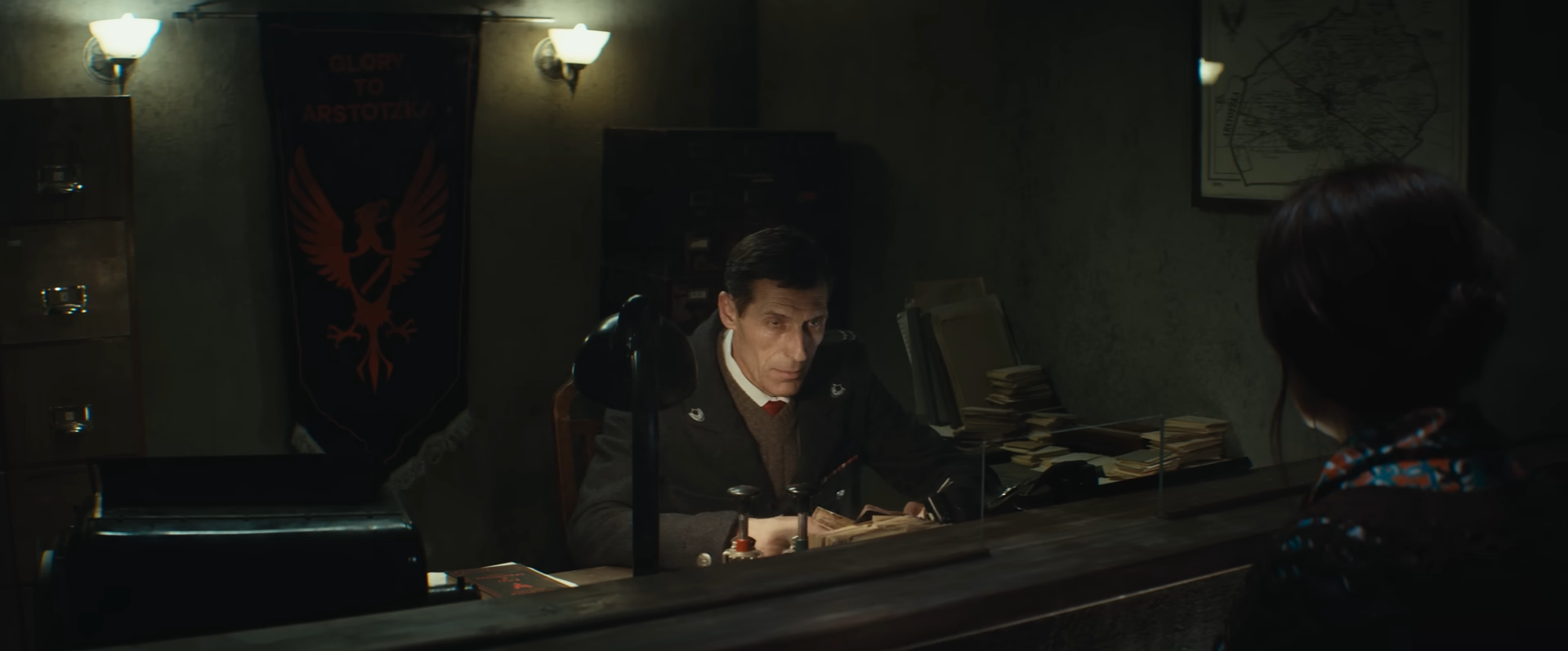
Silence and slow movement were used to transmit sadness and a defeated state. As an example, when the person who got denied access took their time to slowly turn, scraping their shoes on the floor, and walking slower to the exit.
The clock is an element that is present during the whole middle section of the experience. It embodies the pacing and hollow space that is the border checkpoint. It accelerates in the fast-forward scene and continuously plays without stopping nor failing during the whole workday, like a cog in a machine. It is meant to emphasize the mechanization and inhumane process of denying people the crossing of the border, in contrast to the uncertain and un-timed actions of the Inspector, which showed some humanity still inside.
The last tick of the clock showed, however, that the time had come.
This project was part of a group work
Each member worked on a section of the audio